Edmund Ironside: The Saxon King for Less Than a Year
Edmund Ironside: birth 993/crowned King of England on April 23, 1016/death November 30, 1016
Spouse(s): Ealdgyth (m. 1015–1016)
House: Wessex /Father Æthelred the Unready/Mother Ælfgifu of York
Children: Edward the Exile, Edmund Ætheling
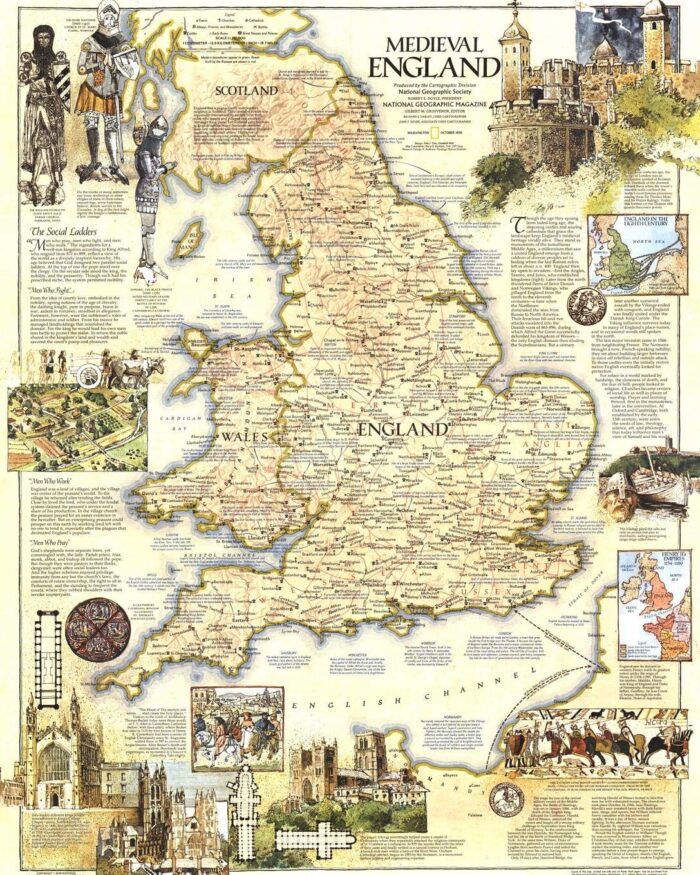
In the tapestry of English history, King Edmund Ironside emerges as a figure of valor and tragedy. His reign, brief and embattled, encapsulates a critical juncture in England’s medieval past. His tenure, though short-lived, was pivotal in the shaping of a nation under siege.
Early Life and Background
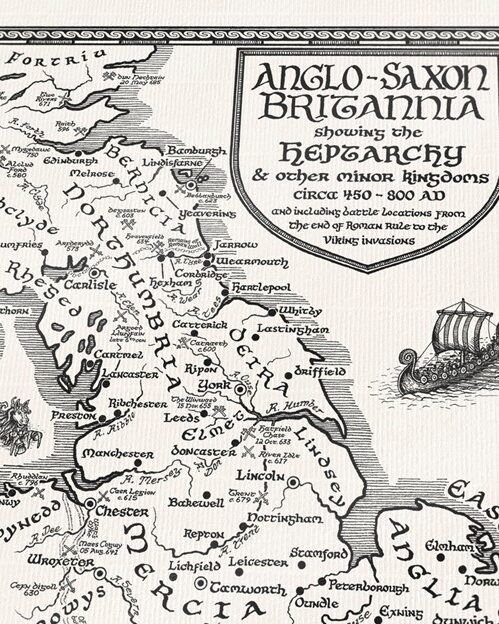
Details of Edmund’s childhood are largely unknown. What historians do know is that he was born into a royal bloodline that would heavily influence his destiny. He was the second son of Æthelred the Unready and his first wife Ælfgifu of York. During his father’s reign, England was under the constant threat of Viking invasion. Viking activity now included choosing England as a home base and Viking settlements already existed particularly in the north of England. There was also strife from within because various regional lords with power were challenging the authority of Æthelred.
Ascension to the Throne
When Æthelred the Unready died in 1016, there occurred a succession struggle between his son Edmund and Cnut the Great. Edmund was not immediately recognized as king by all of England after his father’s death. The citizens of London declared Edmund as king, but a faction led by ealdorman Eadric Streona and the Archbishop of York recognized Cnut as their ruler as he and his men had previously won many battles against Æthelred. This confrontation represented the struggle for power between the Anglo-Saxon House of Wessex and the rising Viking influence.
Reign as King
When Edmund was crowned king of England in 1016, he inherited a kingdom marked by external aggression and internal fragmentation. He faced relentless military conflict, primarily against Cnut and his supporters. His reign was essentially a series of military campaigns where he demonstrated excellent skills and bravery, earning the title: Ironside’. One of the most pivotal battles during his reign was the Battle of Assandun.

Edmund battles Cnut at Assandun. 14th c, Cambridge, Corpus Christi College (Wikimedia Commons)
“And all the nobility of the English nation was there undone!”
Source: The Anglo-Saxon Chronicle
Cnut was victorious at Assandun. The earliest account of this battle, found in The Anglo-Saxon Chronicle, puts the blame for Edmund’s defeat on the shoulders of the villainous Eadric Streona, who “first began the flight and so betrayed his natural lord.” Eadric had allied with Cnut in 1015 but had deserted him for Edmund when the Danes appeared to be on the losing side of skirmishes in the weeks before Assandun. The Chronicle asserts that at a critical juncture in the Battle at Assandun, Eadric Streona, whose troops were supposed to be fighting for Edmund, “fled with all his men giving the Danes the victory.”

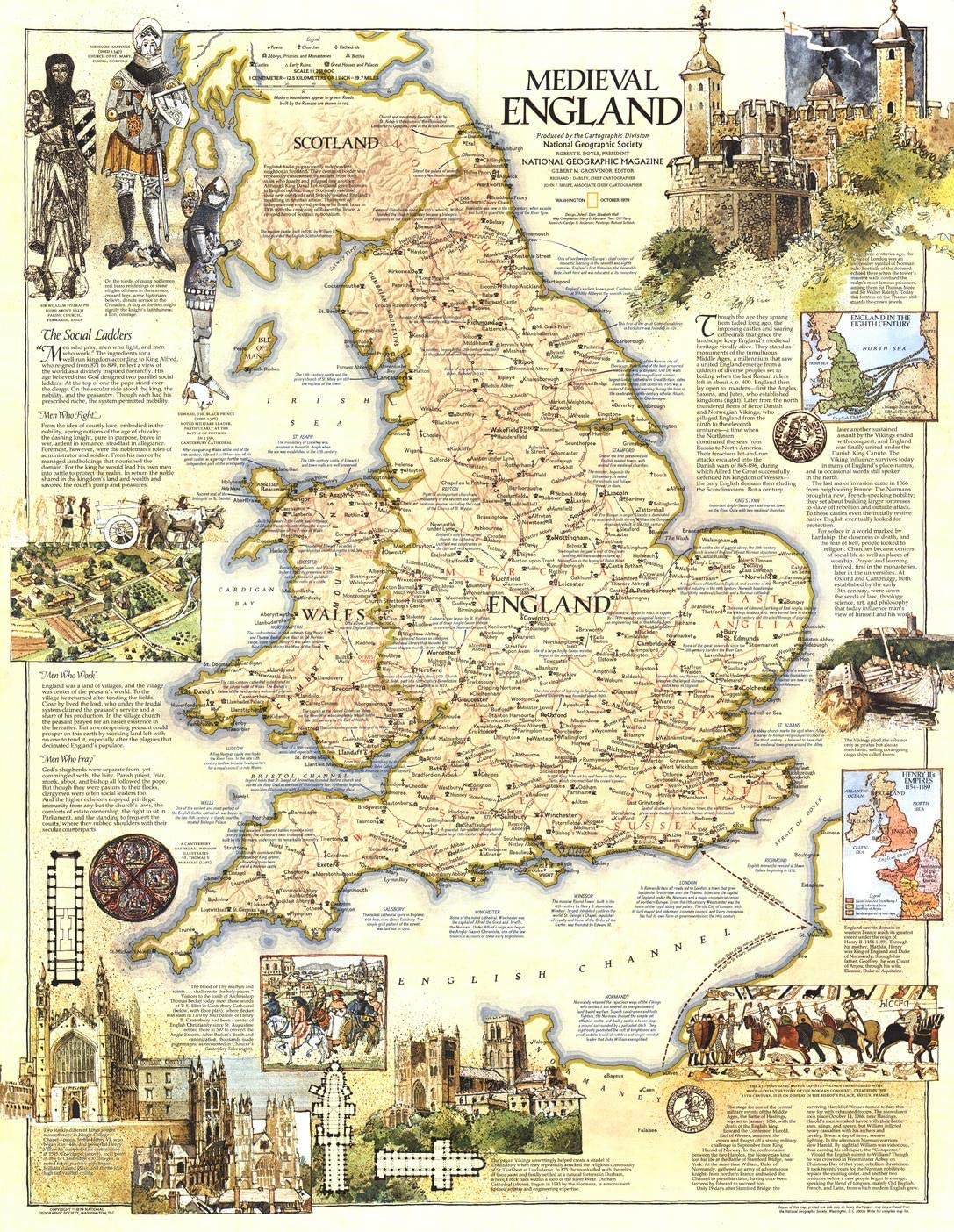
After Assandun, Edmund fled across England with the remnant of his army to Gloucester. There, Eadric, who had a foot in both camps, brokered a settlement between Edmund and Cnut. Edmund retained the southern shires of Wessex and Cnut took Mercia and the north, including the mercantile powerhouse that was London. This arrangement is later referred to as the ‘Treaty of Olney’ or the ‘Treaty of Alney’. The agreement is a symbol of the changing dynamics of power in England where Viking influence became ever more entrenched.

Cnut & Edmund Ironside Agree to Divide England
Shortly after the agreement between Cnut and Edmund, Edmund died on November 30, 1016, probably in London. Contemporary accounts do not suggest that he was murdered, but soon after the Norman Conquest in 1066, Adam of Bremen wrote that Edmund had been poisoned. Other twelfth-century writers stated that he was stabbed or shot with an arrow while sitting on a toilet.
Edmund was buried beside his grandfather, King Edgar, at Glastonbury Abbey in what is now Somerset. Cnut, who became undisputed King of England, later visited and left gifts at his tomb.
The abbey was destroyed during the Dissolution of the Monasteries in the 16th century, and any remains of a monument or crypt may have been plundered; hence the location of Edmund’s remains is unclear.

The ruins of Glastonbury Abbey in Somerset, where Edmund was buried.
Historical Significance
Edmund Ironside, the short-reigned Anglo-Saxon king, is significant for his fierce but unsuccessful defense of England against the invading forces of Cnut the Great in 1016. His death cleared the way for Cnut to rule over a unified kingdom, marking the end of the House of Wessex’s undisputed rule and establishing a period of Scandinavian dominance.
“Against the backdrop of his father’s dubious legacy, Edmund Ironside emerged as a beacon of indomitable spirit and courage. He stood resolute, a titan against a storm of insurmountable odds. History remembers him as a warrior whose resolve was as steadfast as his sword, an inspirational leader who ignited the flame of hope in the hearts of his followers.
Yet even his undeniable valor and unwavering determination met a formidable adversary in the ruthless efficiency of the Viking war machine. Despite his heroic stand, Edmund found himself a valiant David pitted against the relentless Goliath of the Viking onslaught.” [Discovery]